Photography for NDIS Providers & Healthcare Practices
Real photos of real people, taken with care.
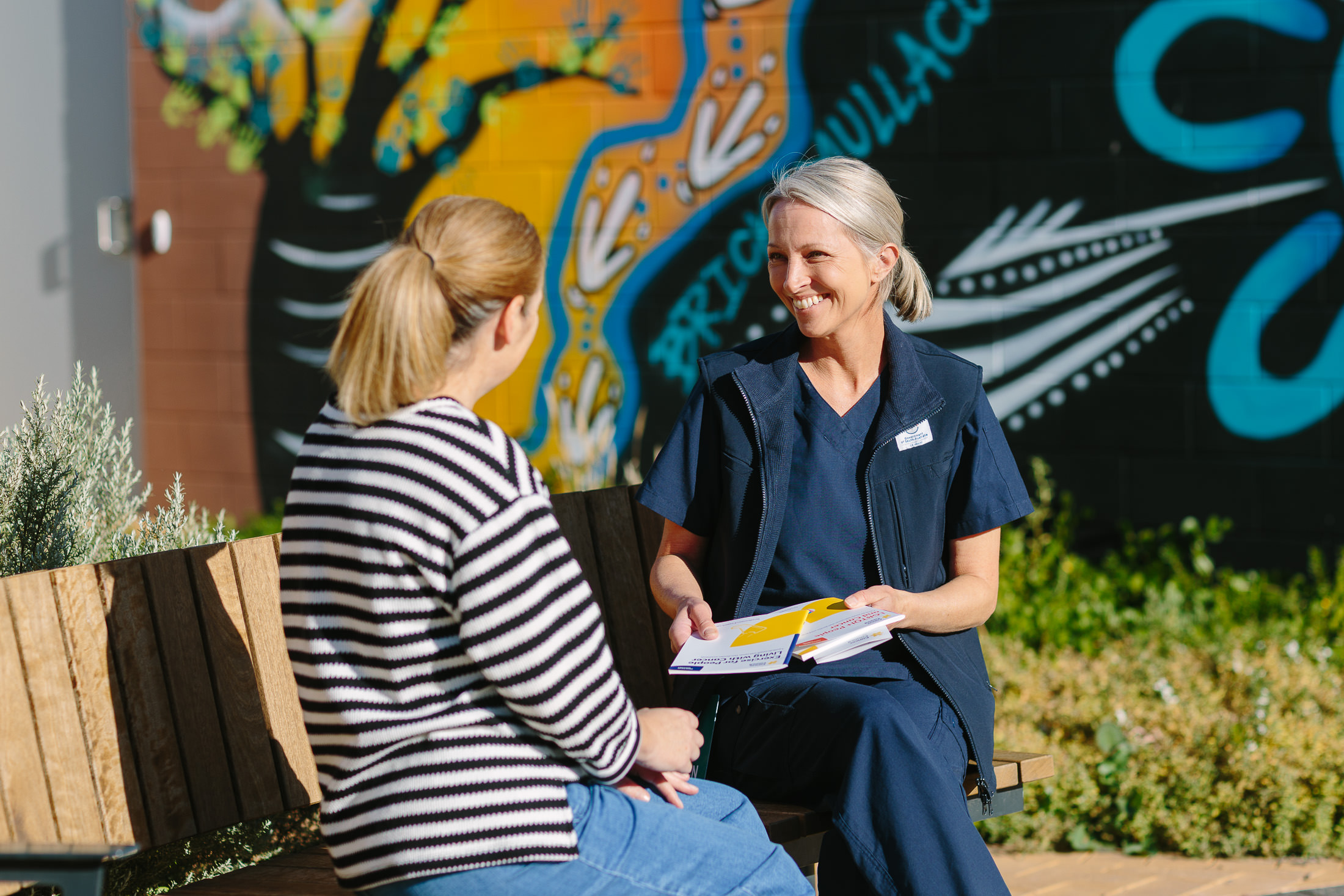
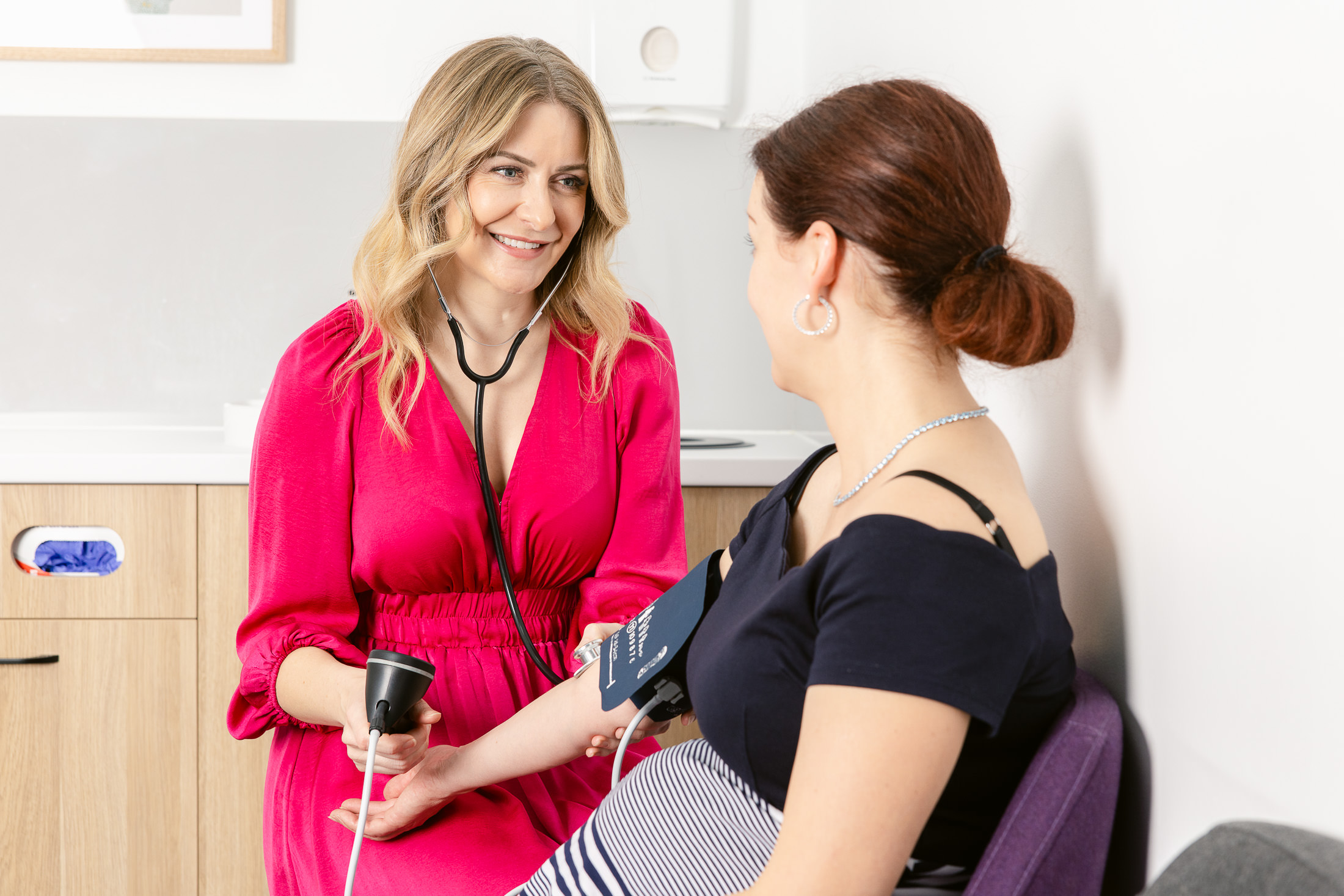
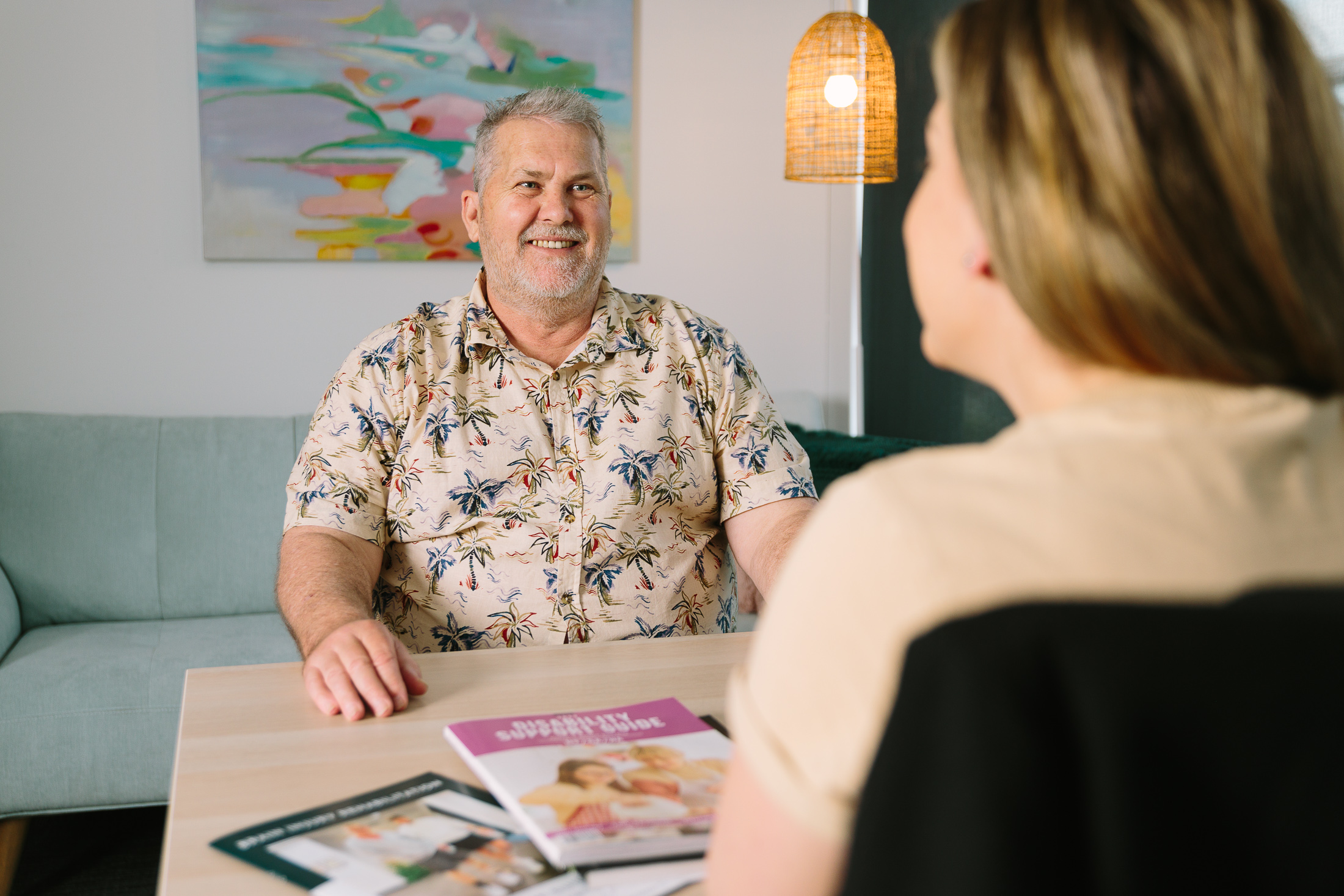



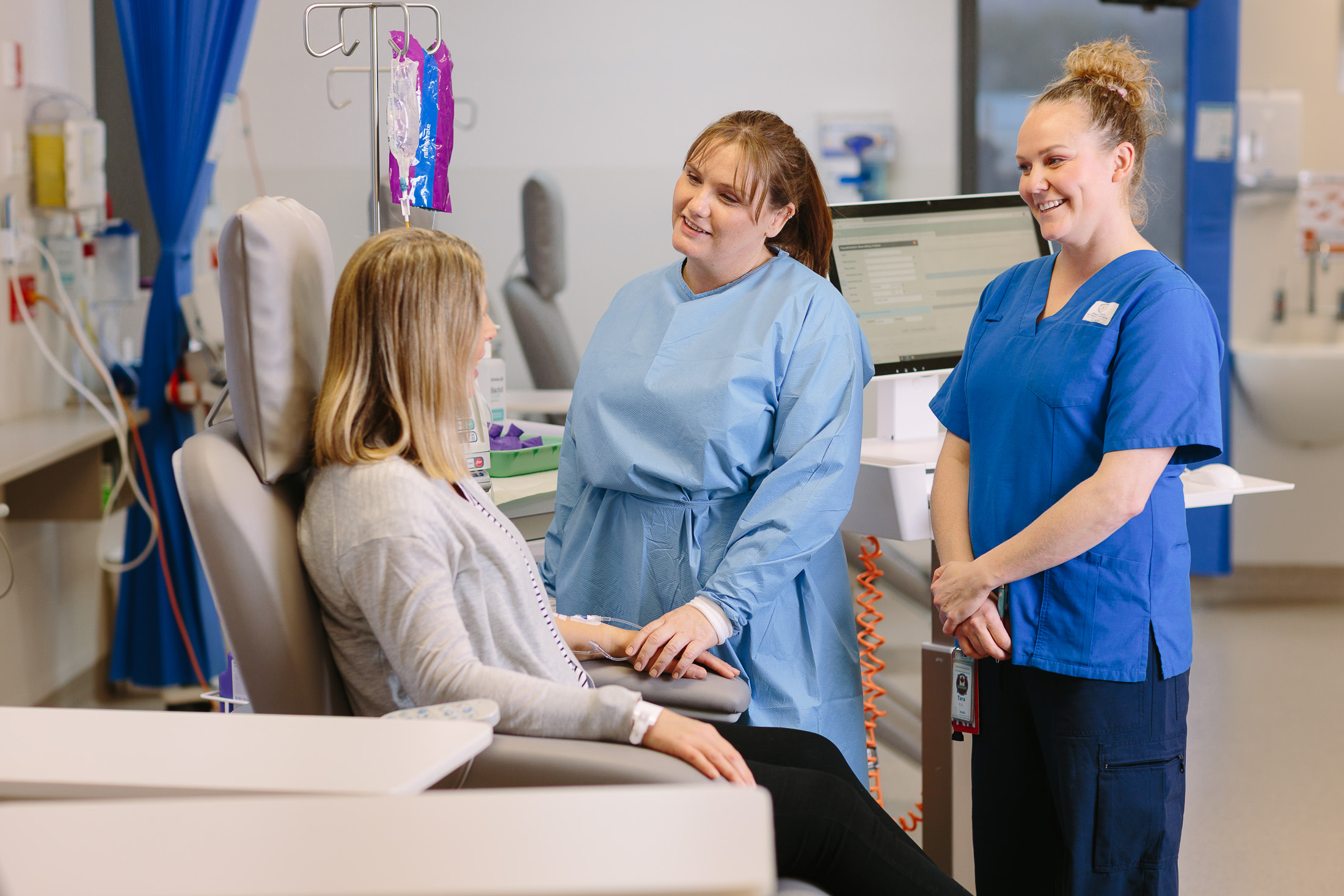
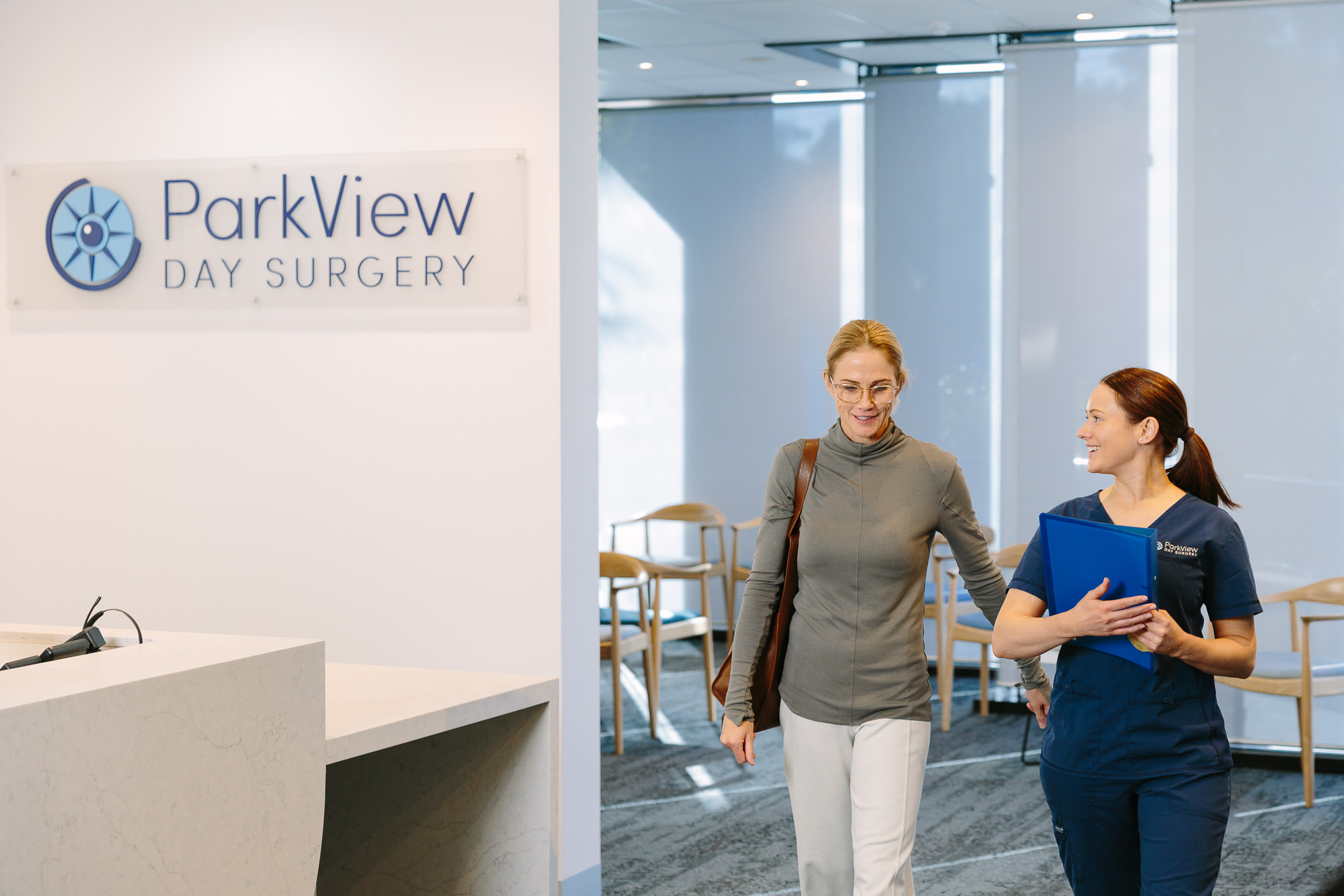
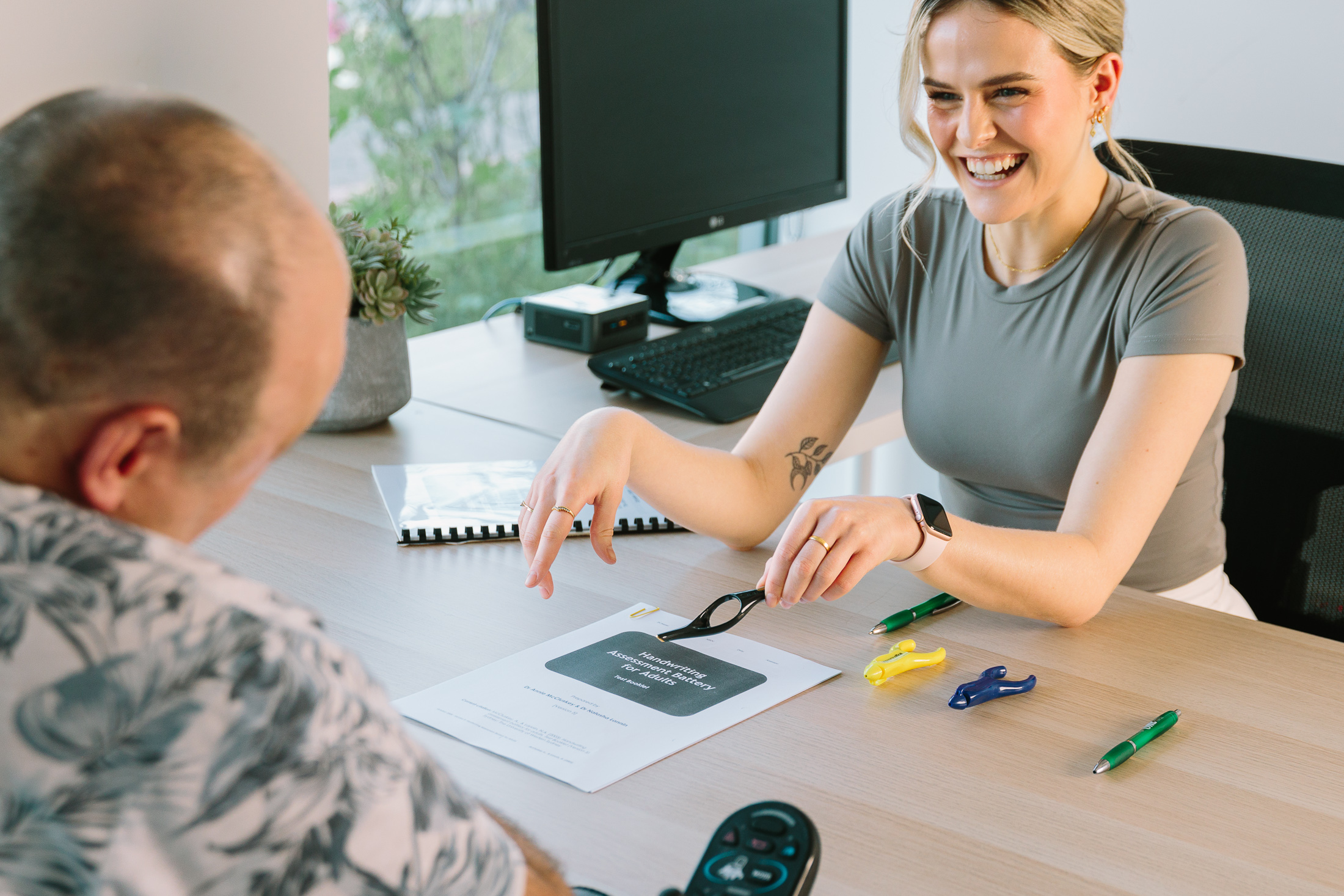
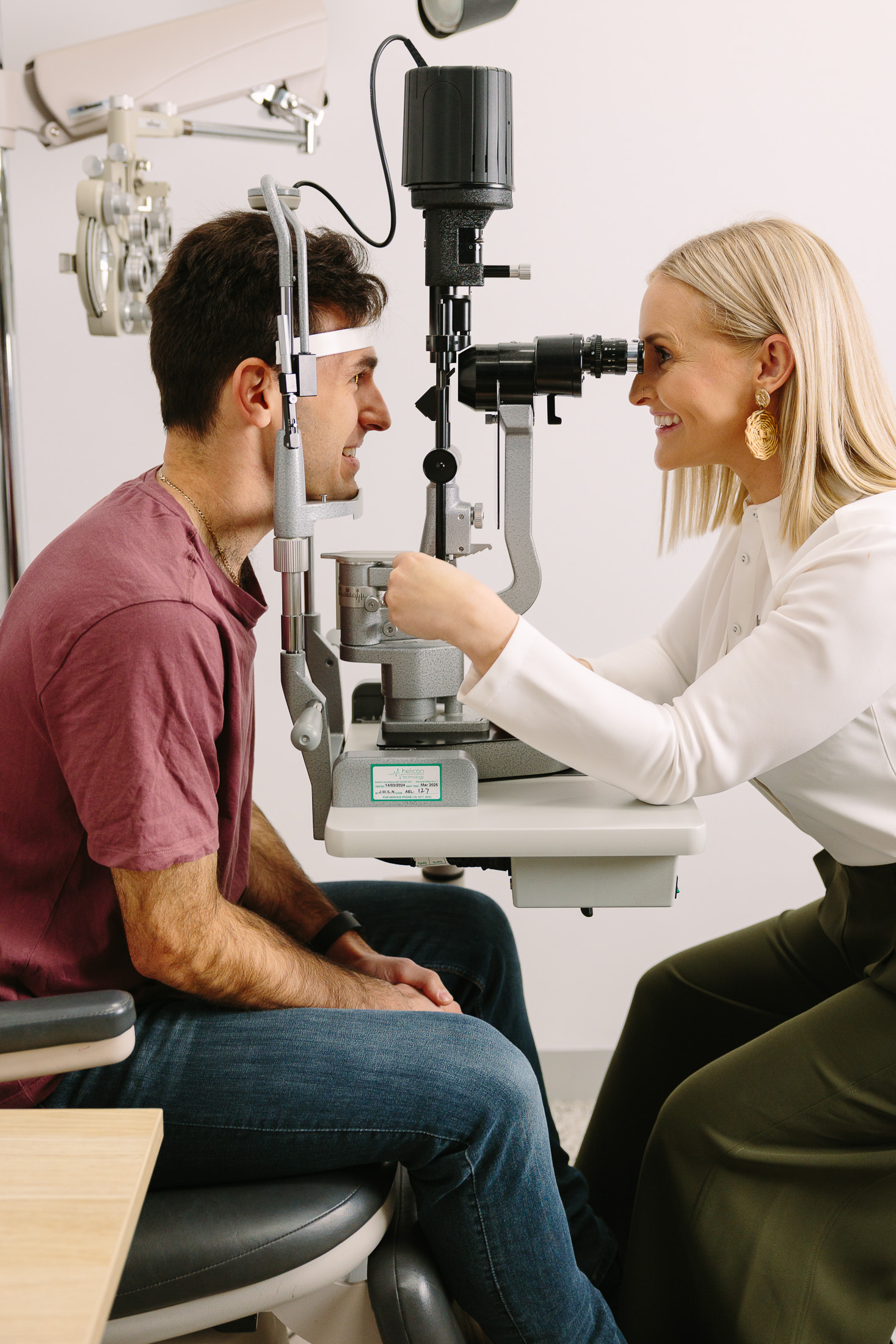
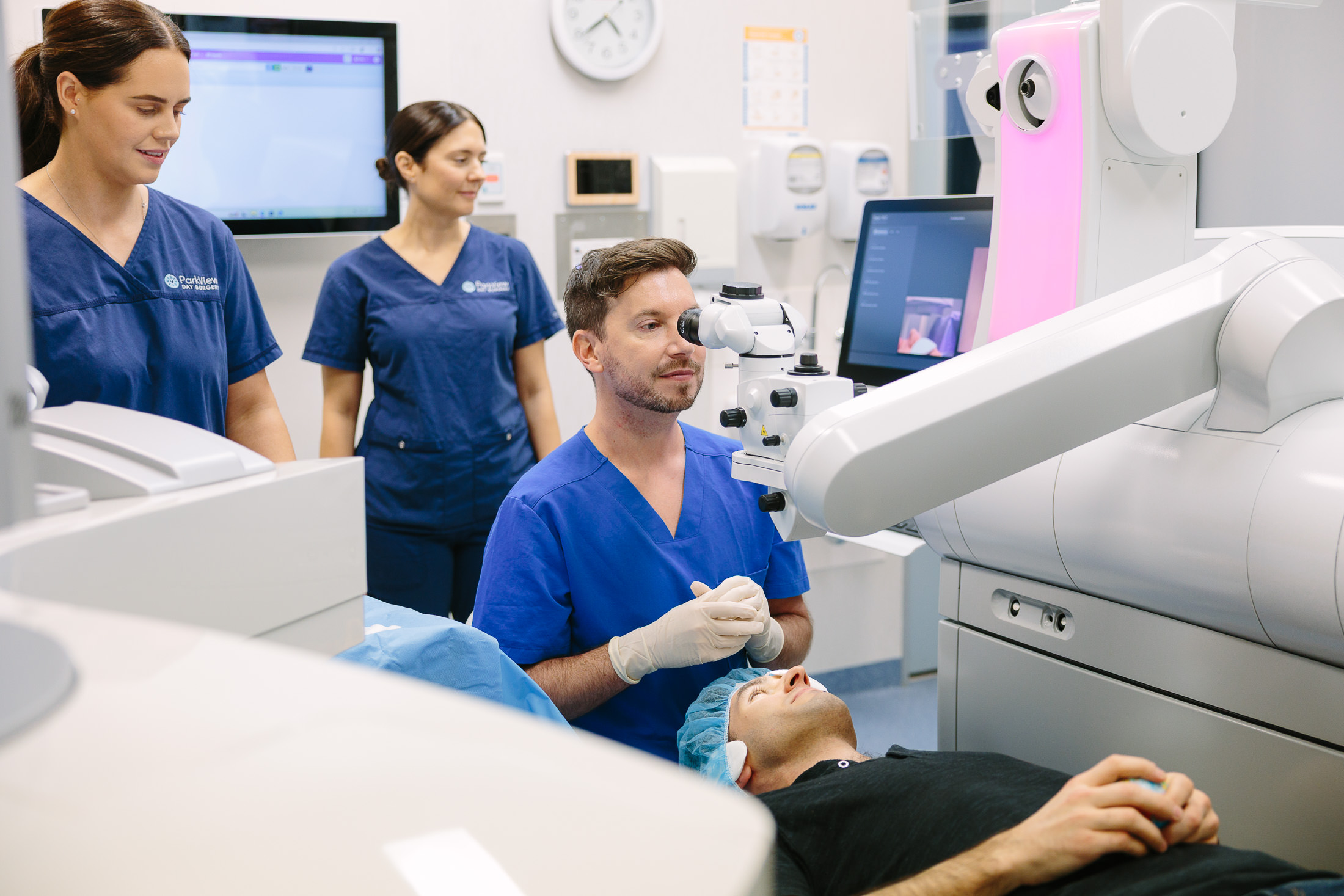
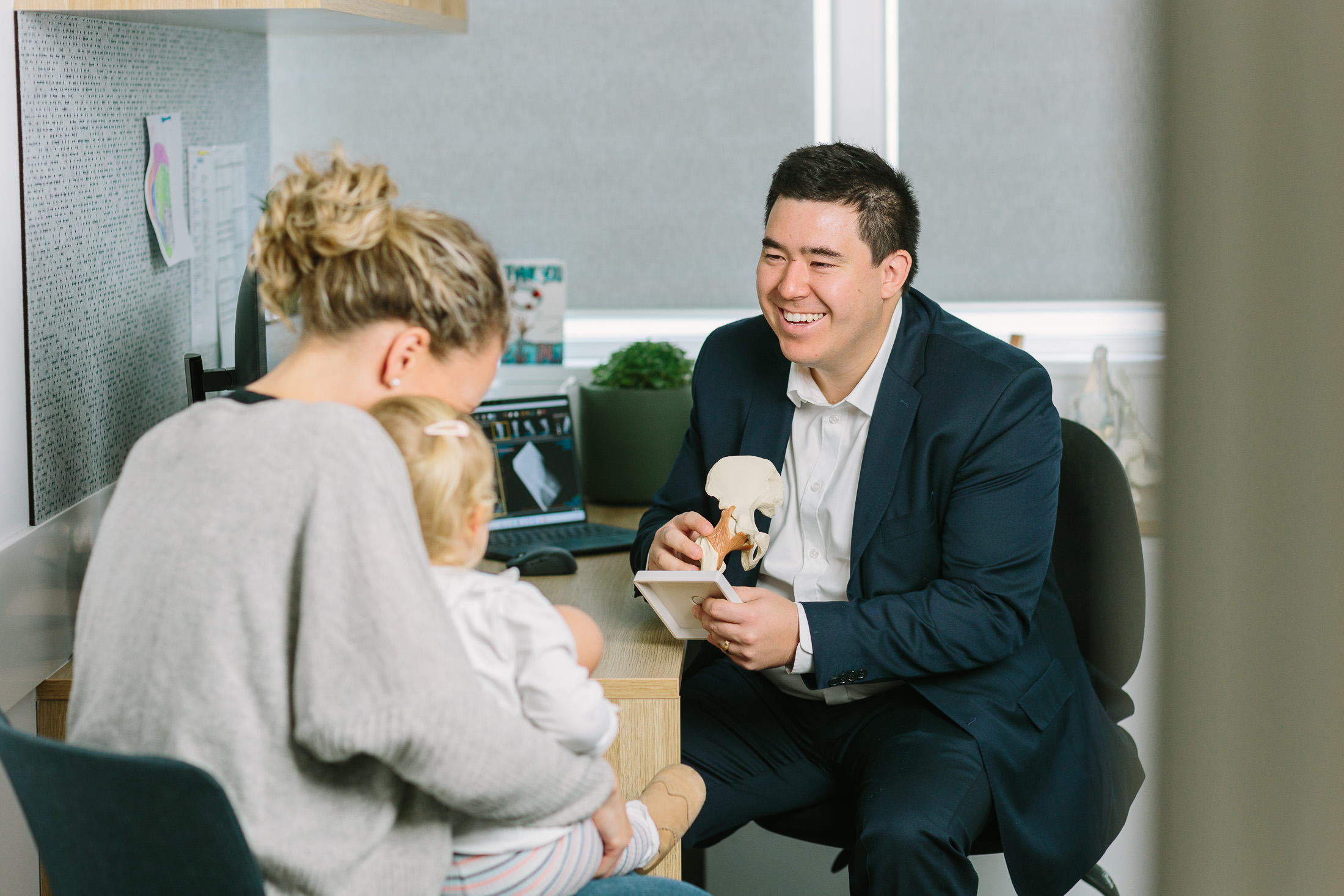
You’re trying to do two things at once. You need photography that actually looks and feels like your organisation. Real participants, real clinicians, real moments of care that don’t feel staged. And you need it done in a way that protects everyone in front of the camera, with proper consent, dignity, and genuine care for the people in the frame.
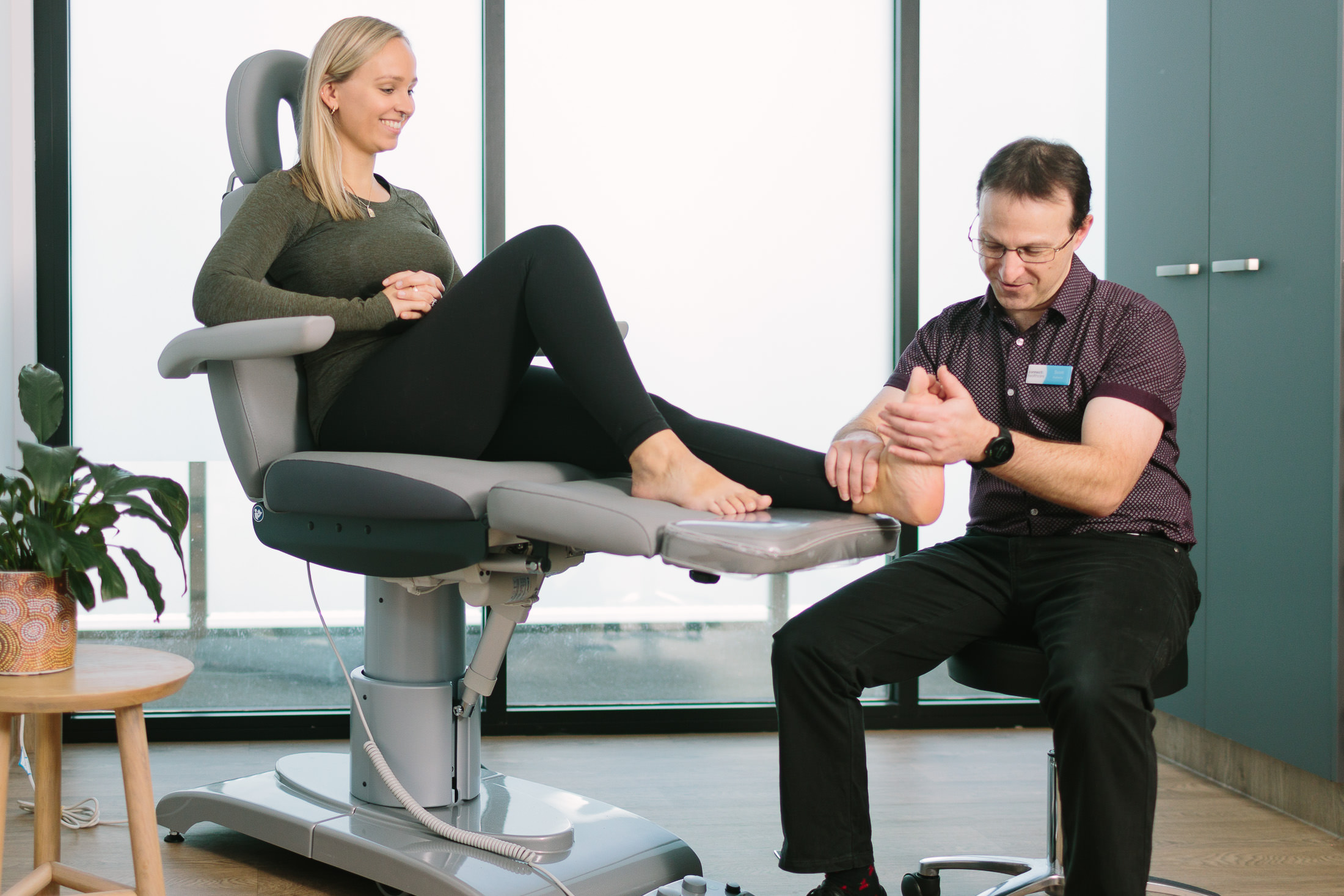
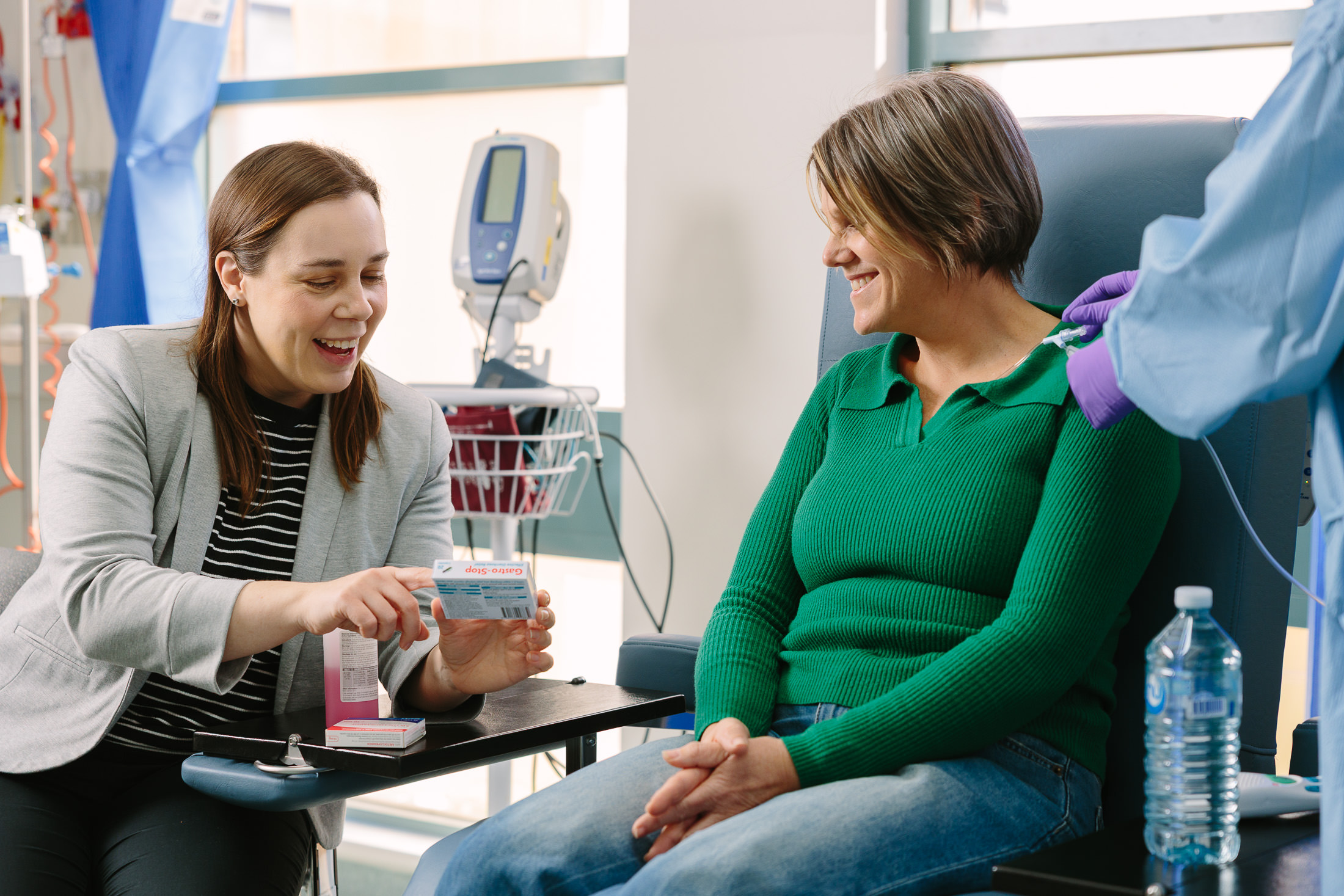
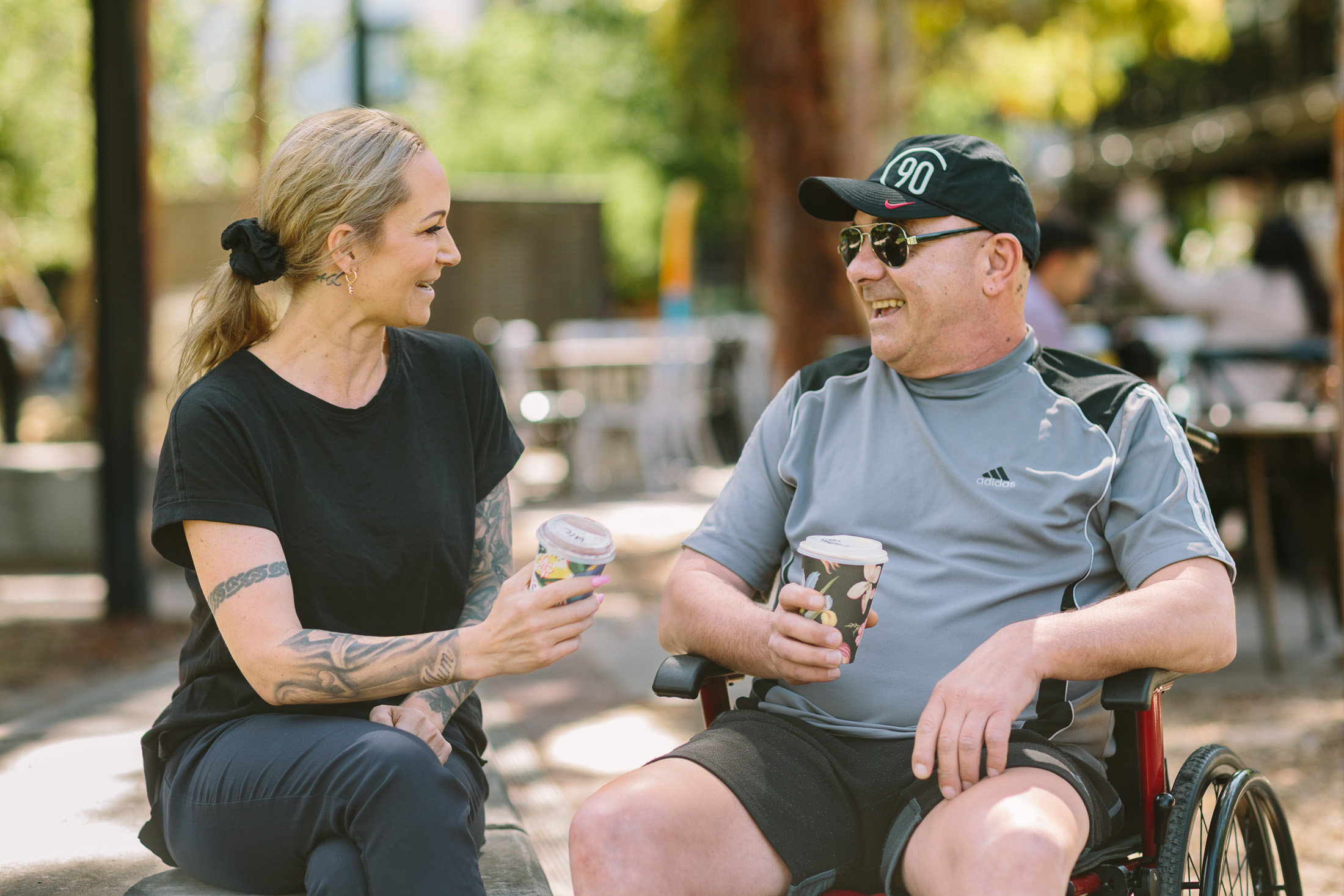
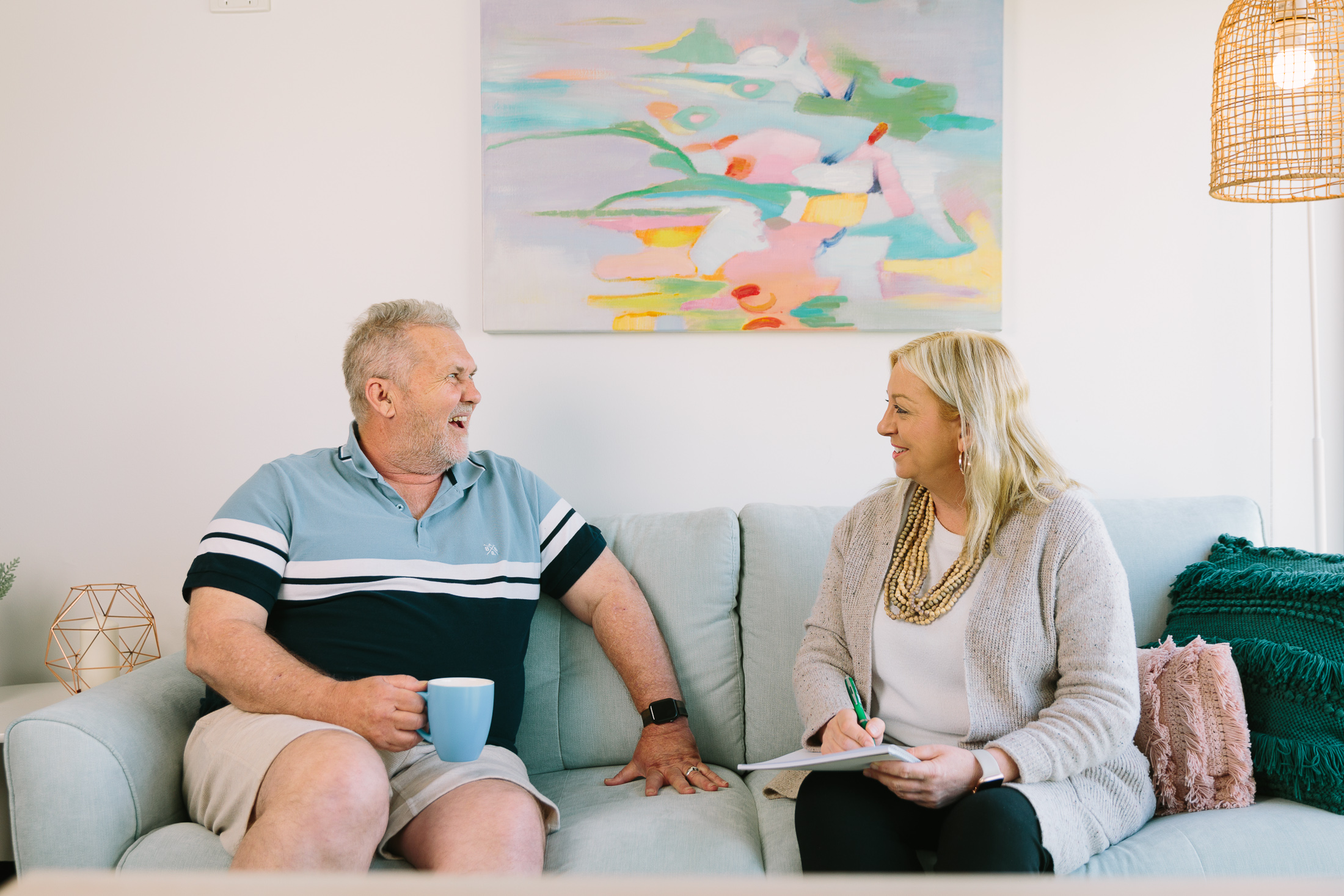
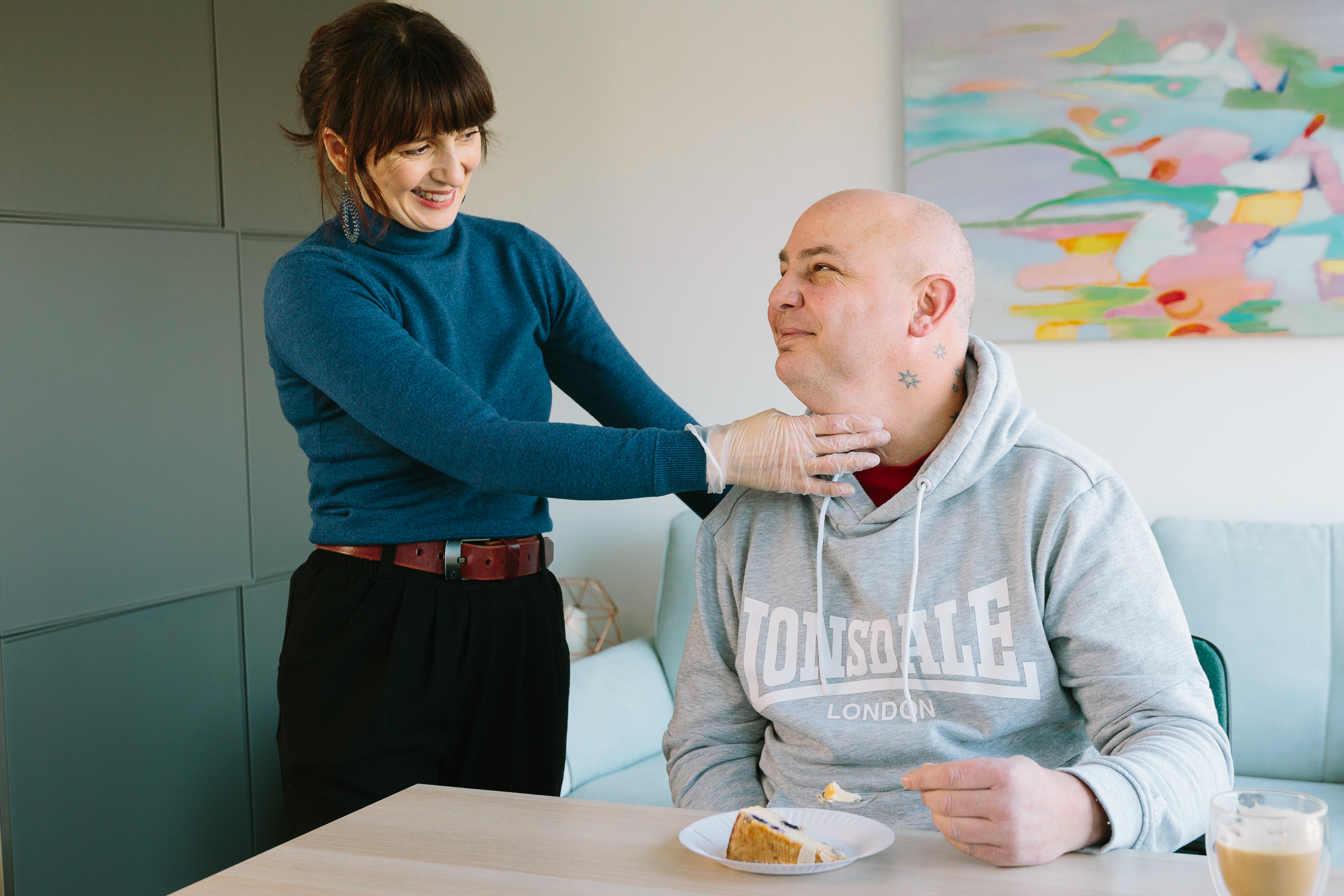
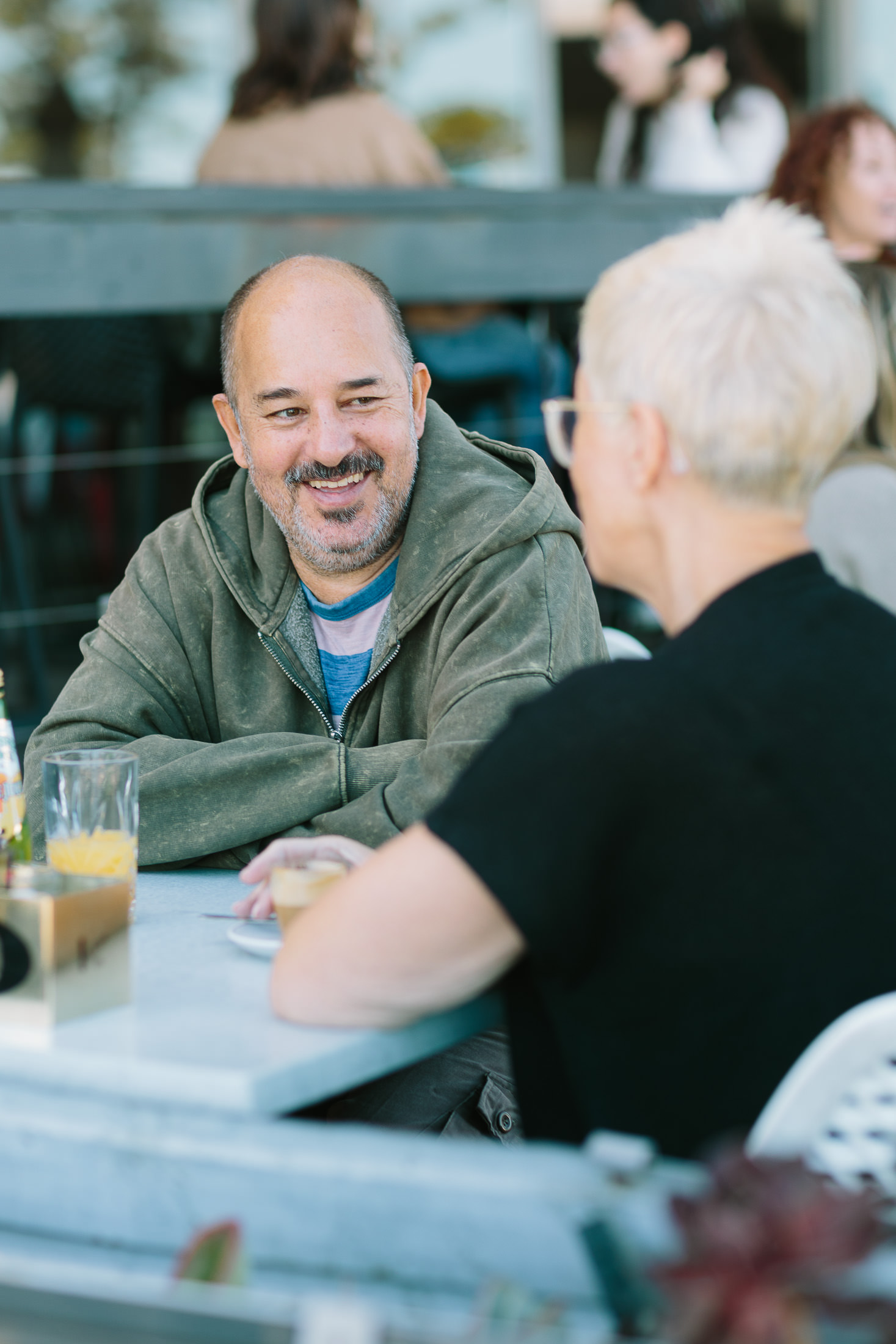
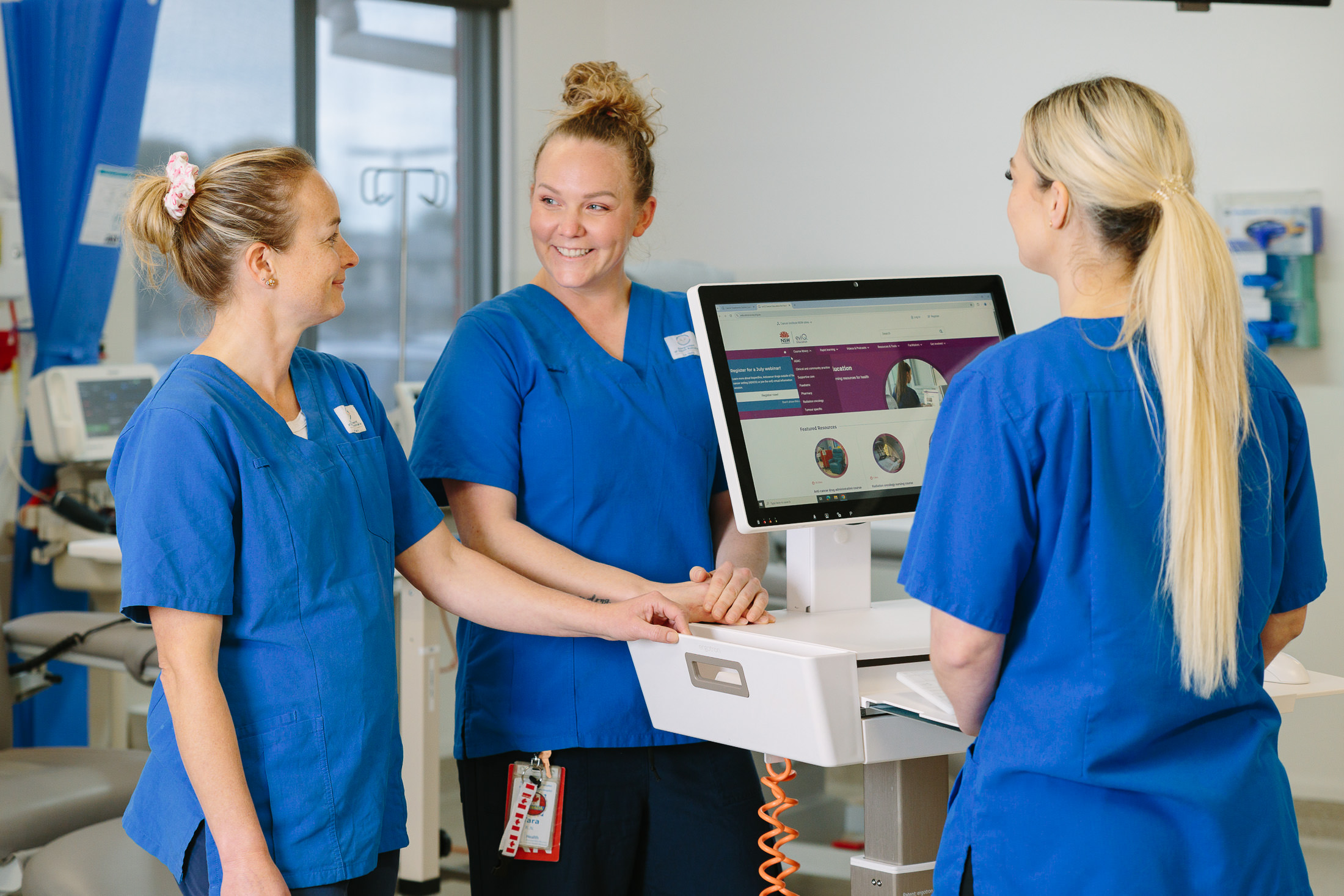
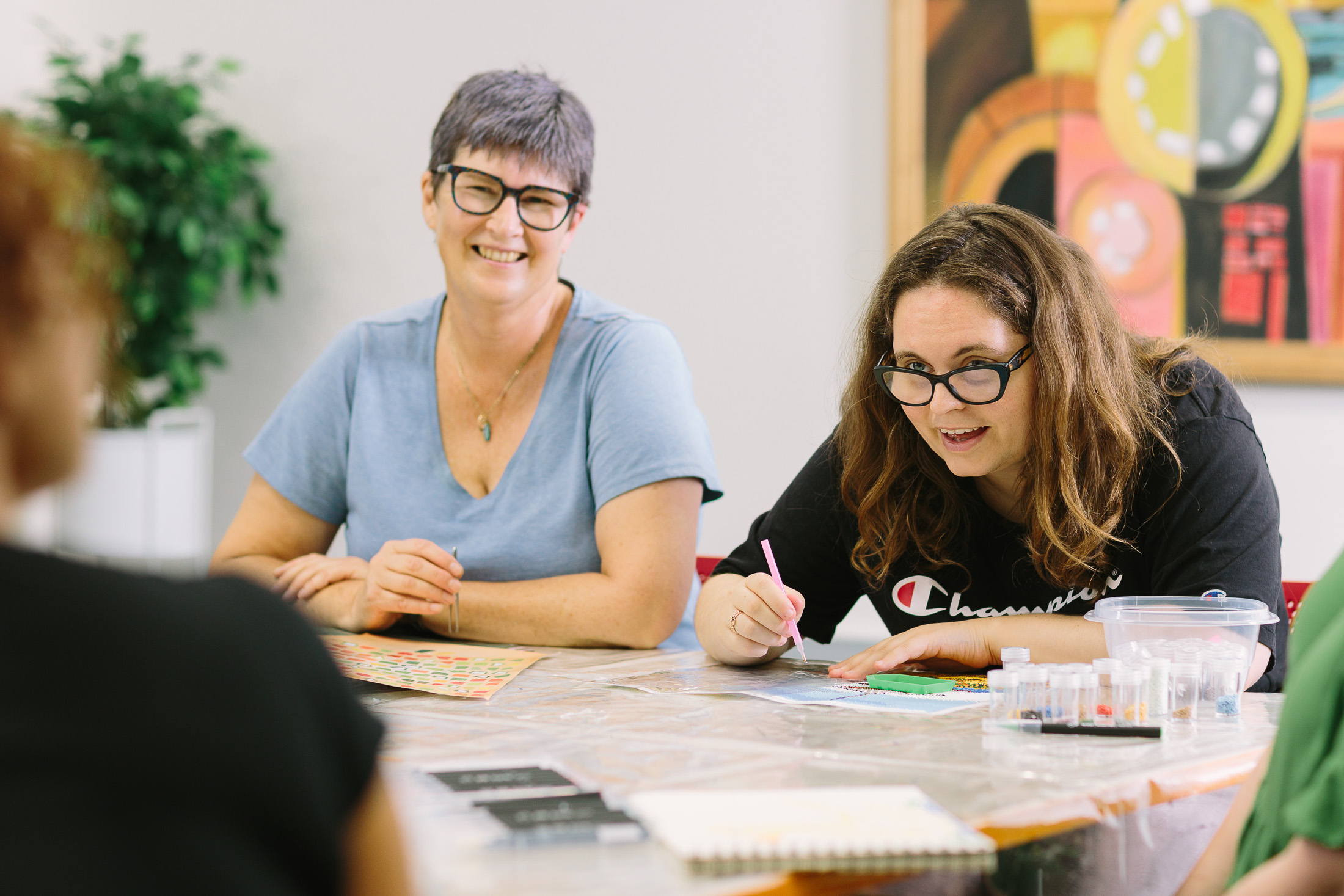
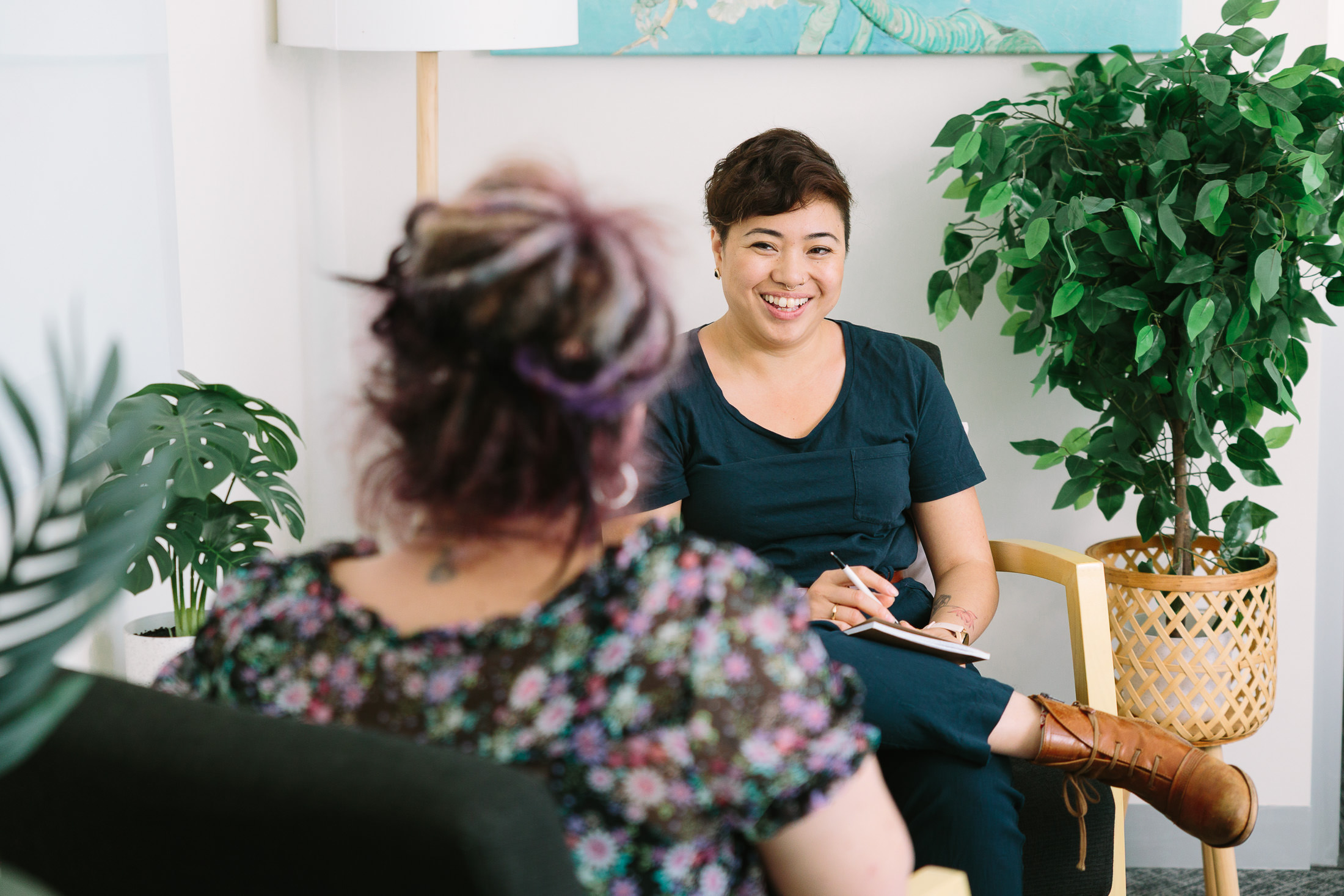
The moments I love photographing are the ones stock photos can never get to. The conversation between a support worker and a participant, the connection that’s been built over months. The clinician who knows every patient by name. The quiet competence of a team that genuinely cares about what they do.
How I photograph care work
In care settings, the photography is almost secondary. What matters first is creating an environment where people feel respected, comfortable and at ease. When that happens, the real moments are there to be captured.
With 15 years photographing humans, plus the lived experience of working with a mental health organisation across multiple sensitive shoots, I’ve learned how to be present without being intrusive. Patient without being slow. Warm without being patronising.
So we start with a conversation. Not just about the shoot, but about the people in it. Who’s comfortable being photographed. Who isn’t. How consent is being captured. Which staff and participants want to be in hero shots and which prefer to stay in the background.
I arrive with a shoot plan, take my time, read the room, and listen when people want to talk. The best photos come from a combination of gentle direction and knowing when to step back and wait for the moment.
What I bring to your project
I don’t rush anyone. Set up a scene, let it play out, step in when needed. No forcing it, just space for real moments.
Before the shoot we’ll work through who’s comfortable being photographed, who isn’t, how consent is being captured, and where the images will be used. I’ll work to your consent register on the day and double-check during editing before anything is delivered.
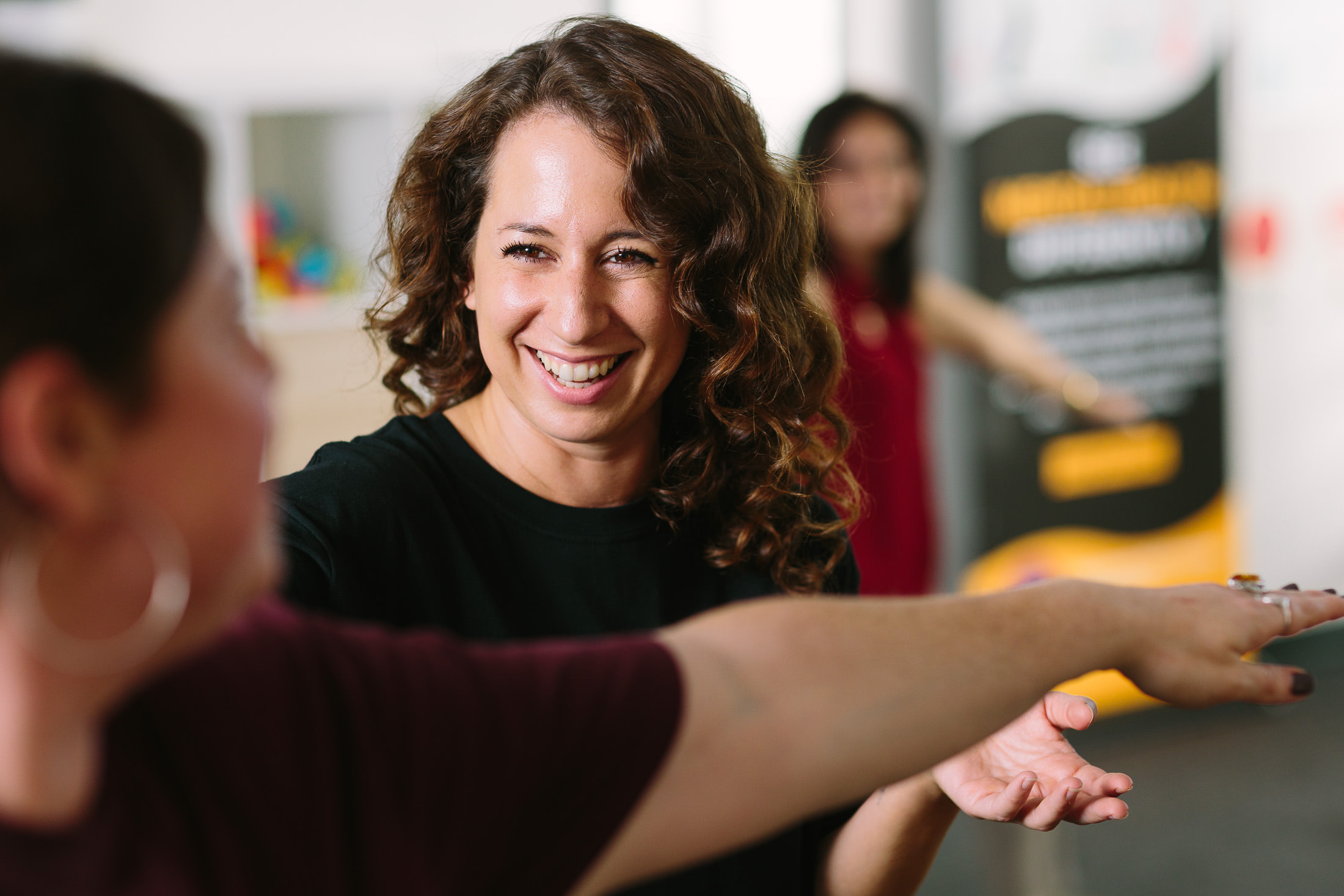
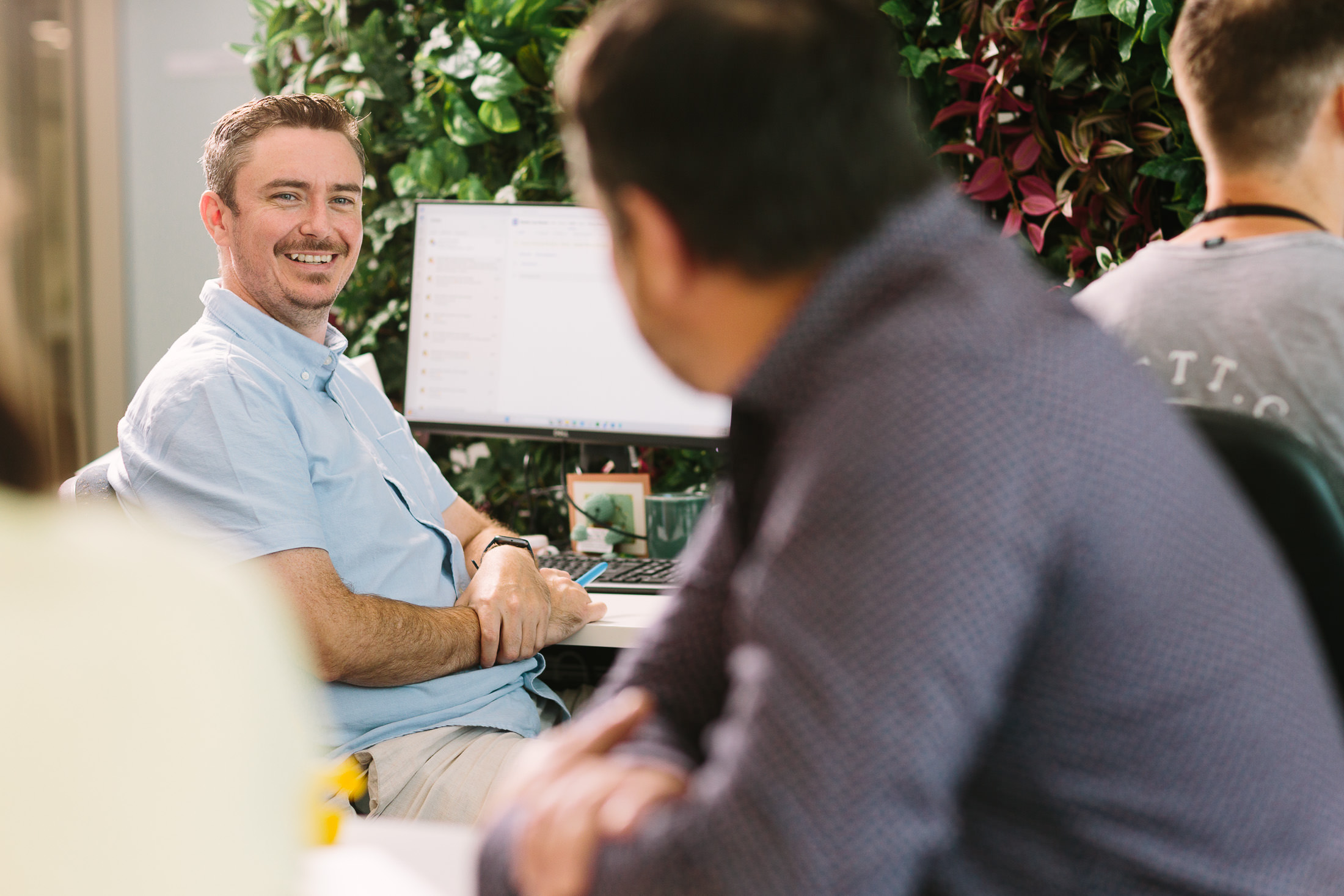
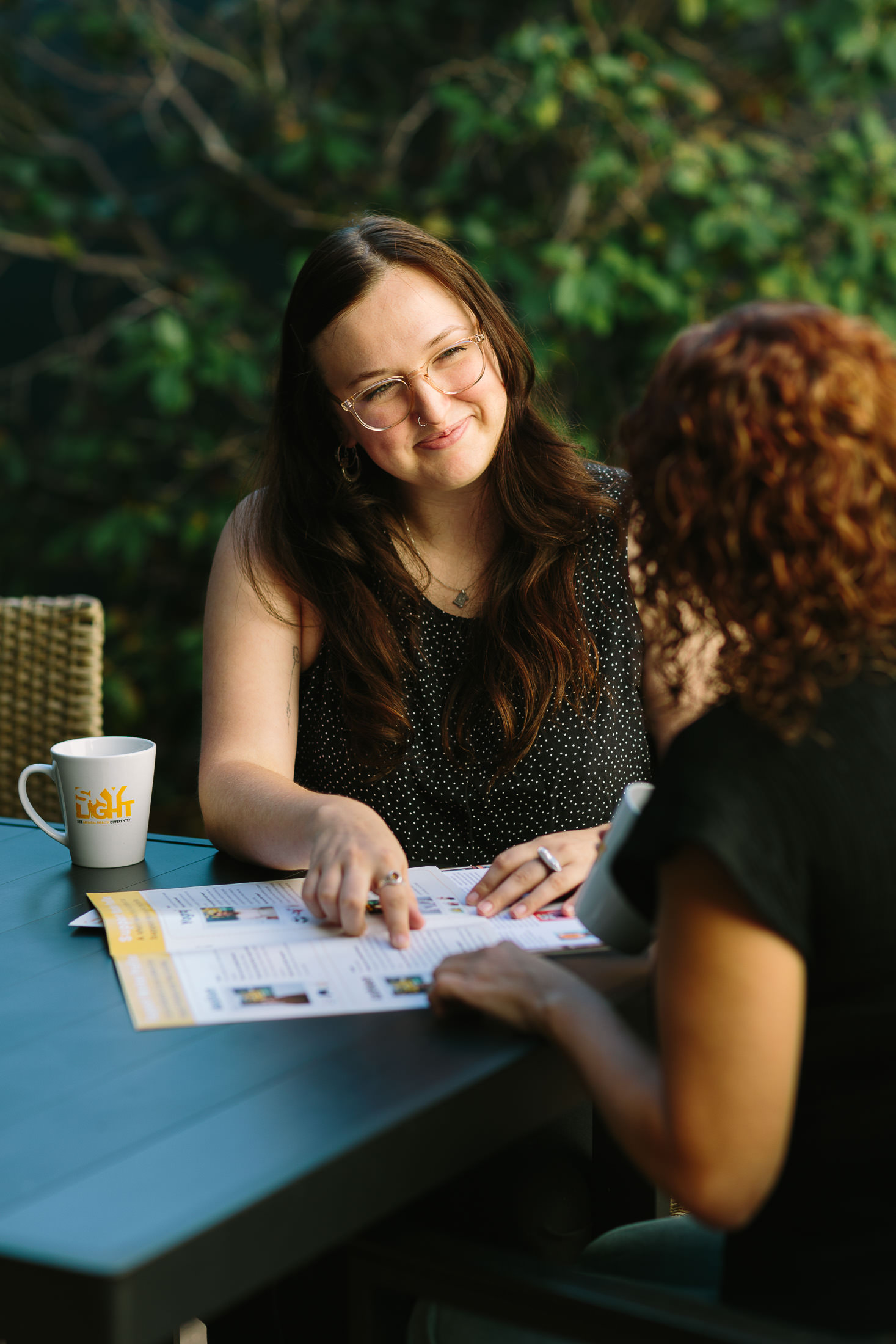
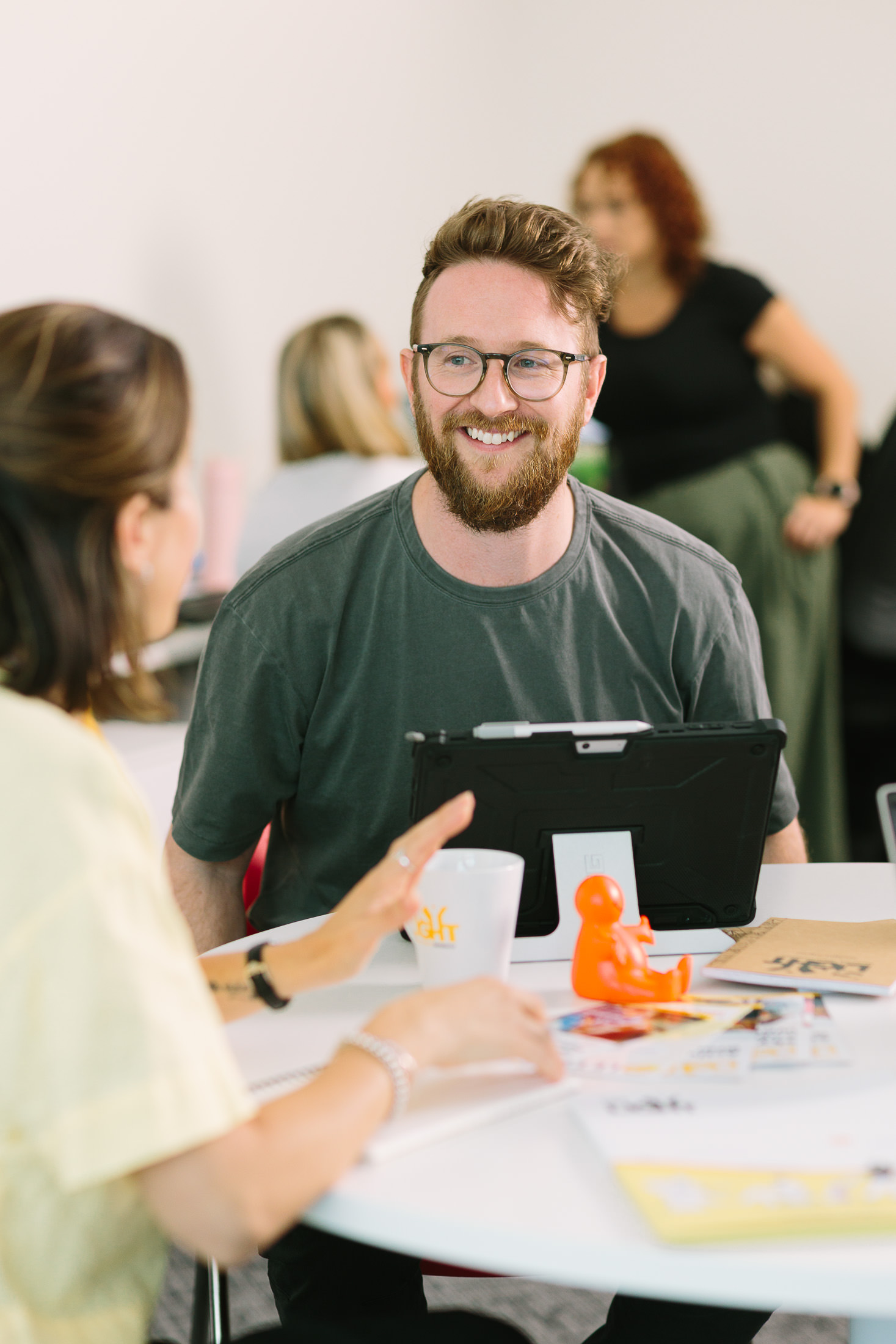
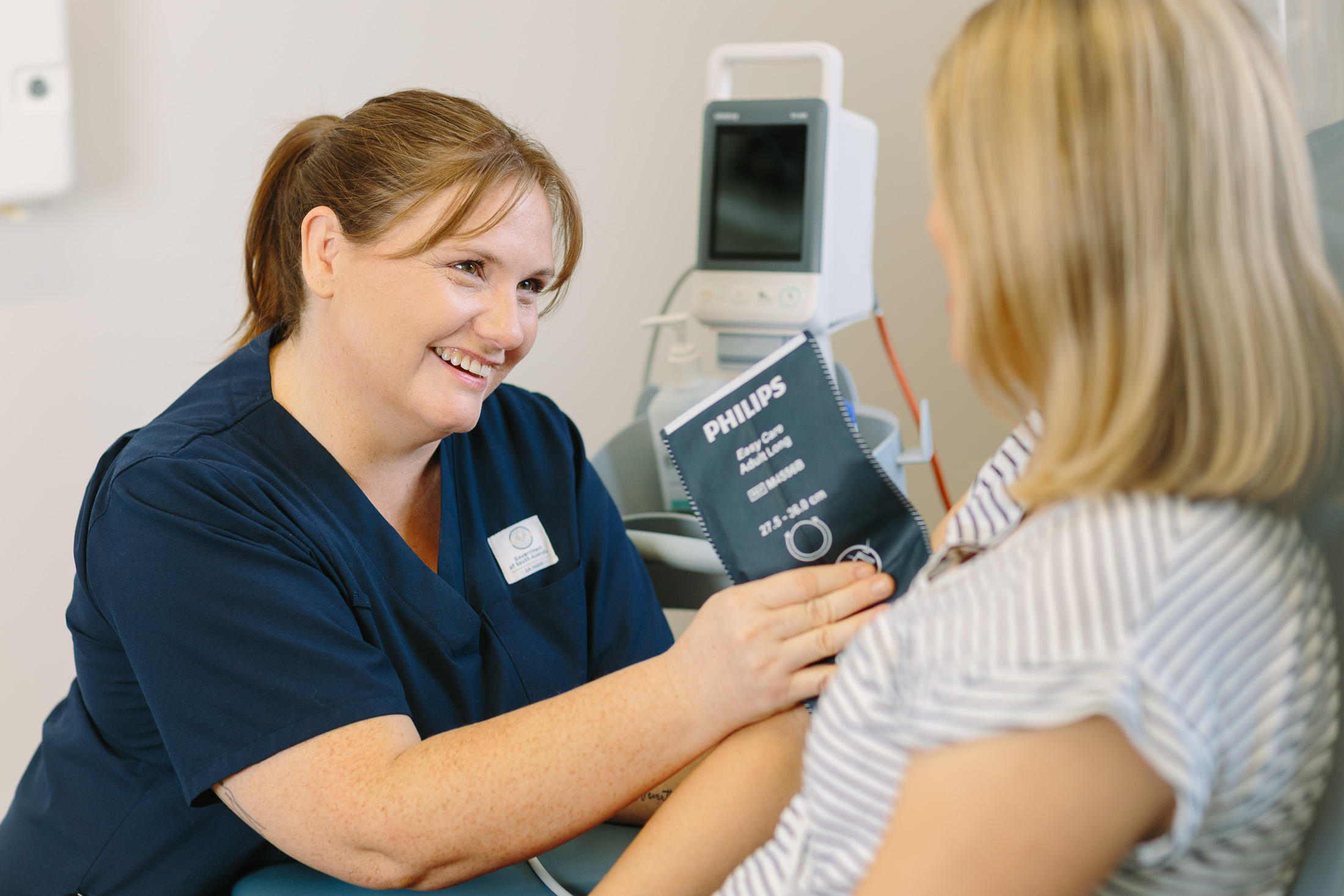
Your actual participants, clinicians, support workers and patients. People who look like they belong there, because they do.
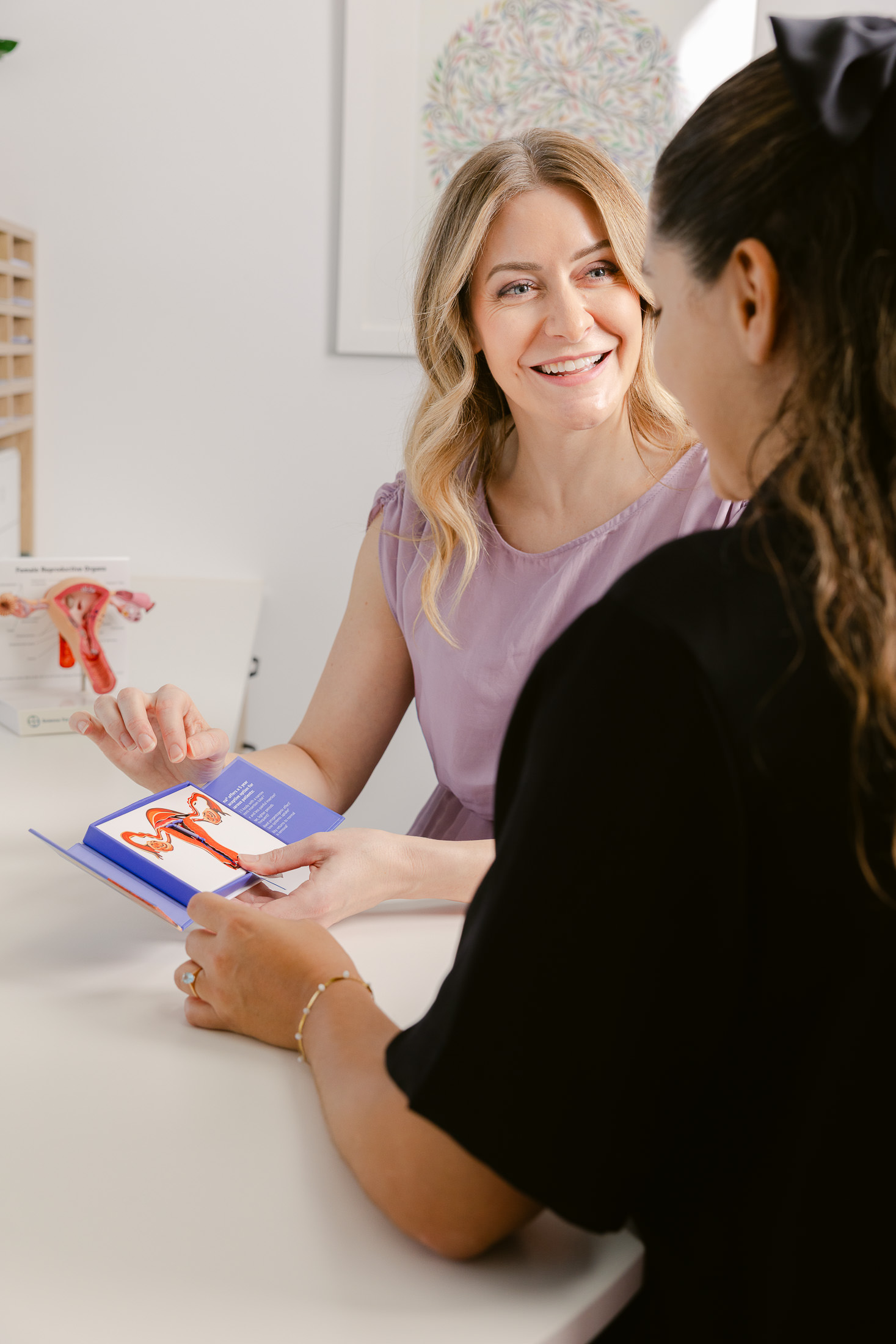
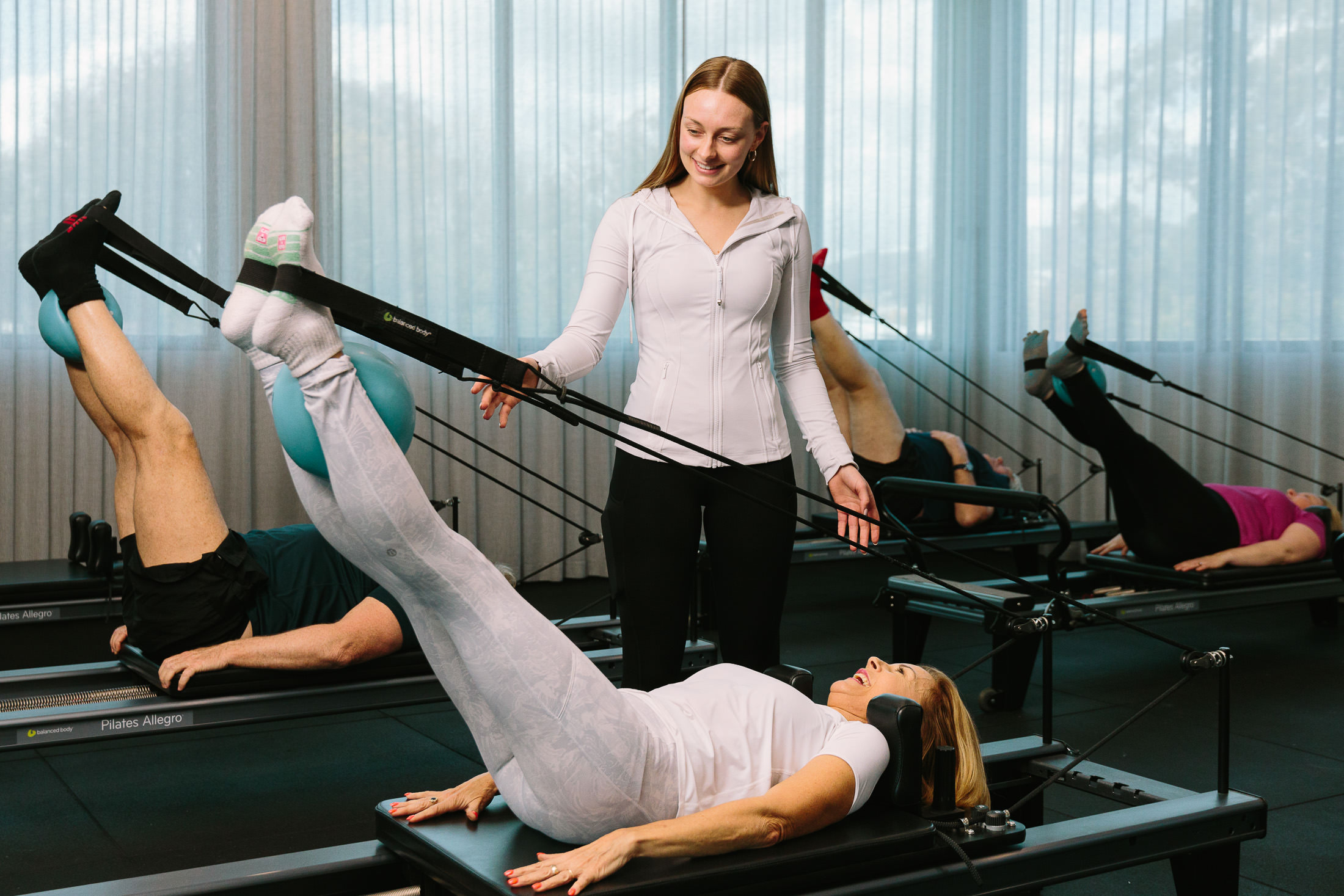
I’ve worked across mental health, allied health and clinical settings. I know what’s needed and what to leave alone, and I won’t ask anyone to do anything that feels off.
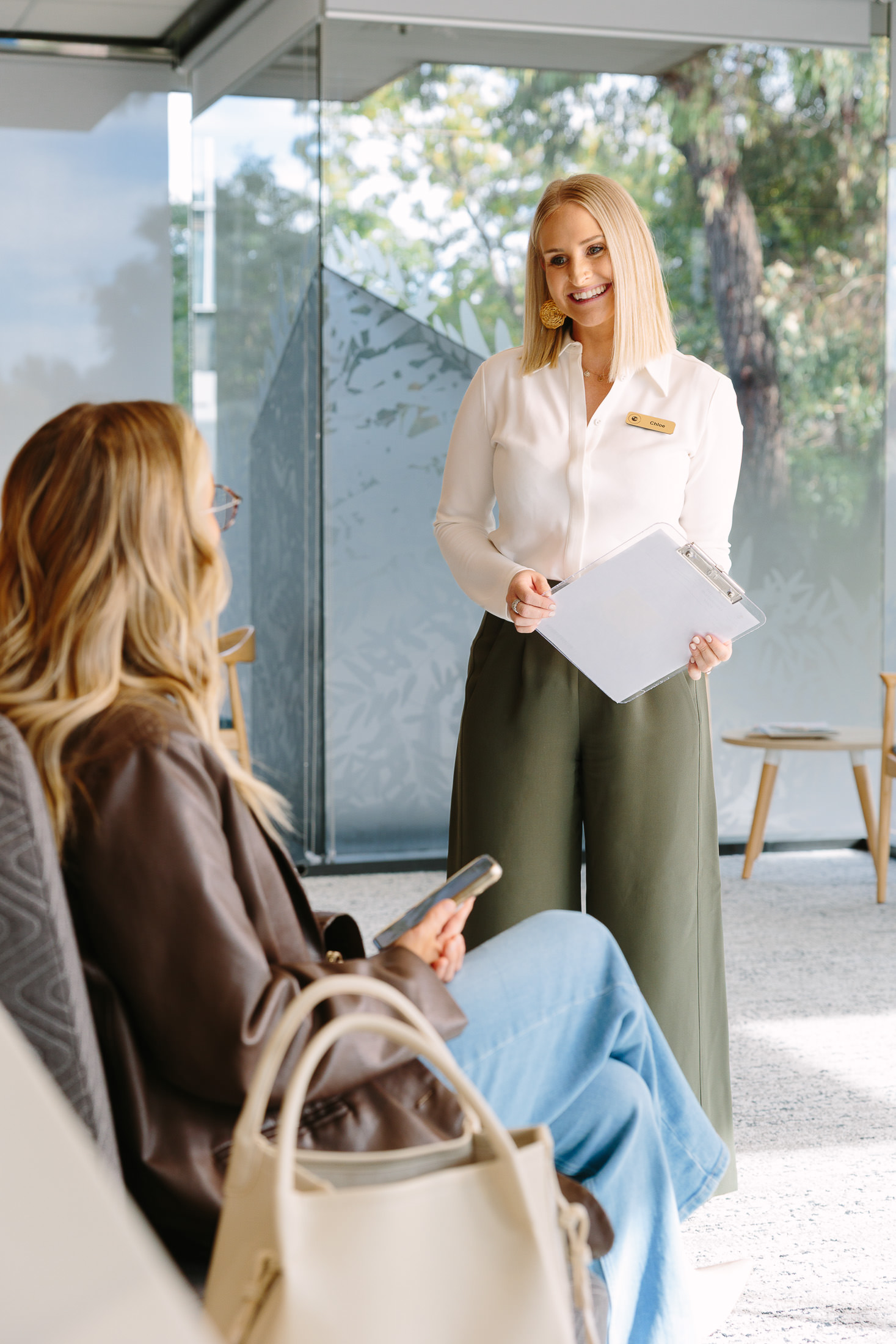
I communicate clearly with everyone in the space, let people know what I’m doing, and respect that not everyone wants to be in front of the camera. I work in a way that lets your team keep doing their job. No fuss, no disruption. Just a smooth, easy day for everyone.
The images you end up with are ones you’ll be proud to use across your website, brochures, social, recruitment and tenders. Real moments, taken with care, that everyone in your service will feel good about being part of.

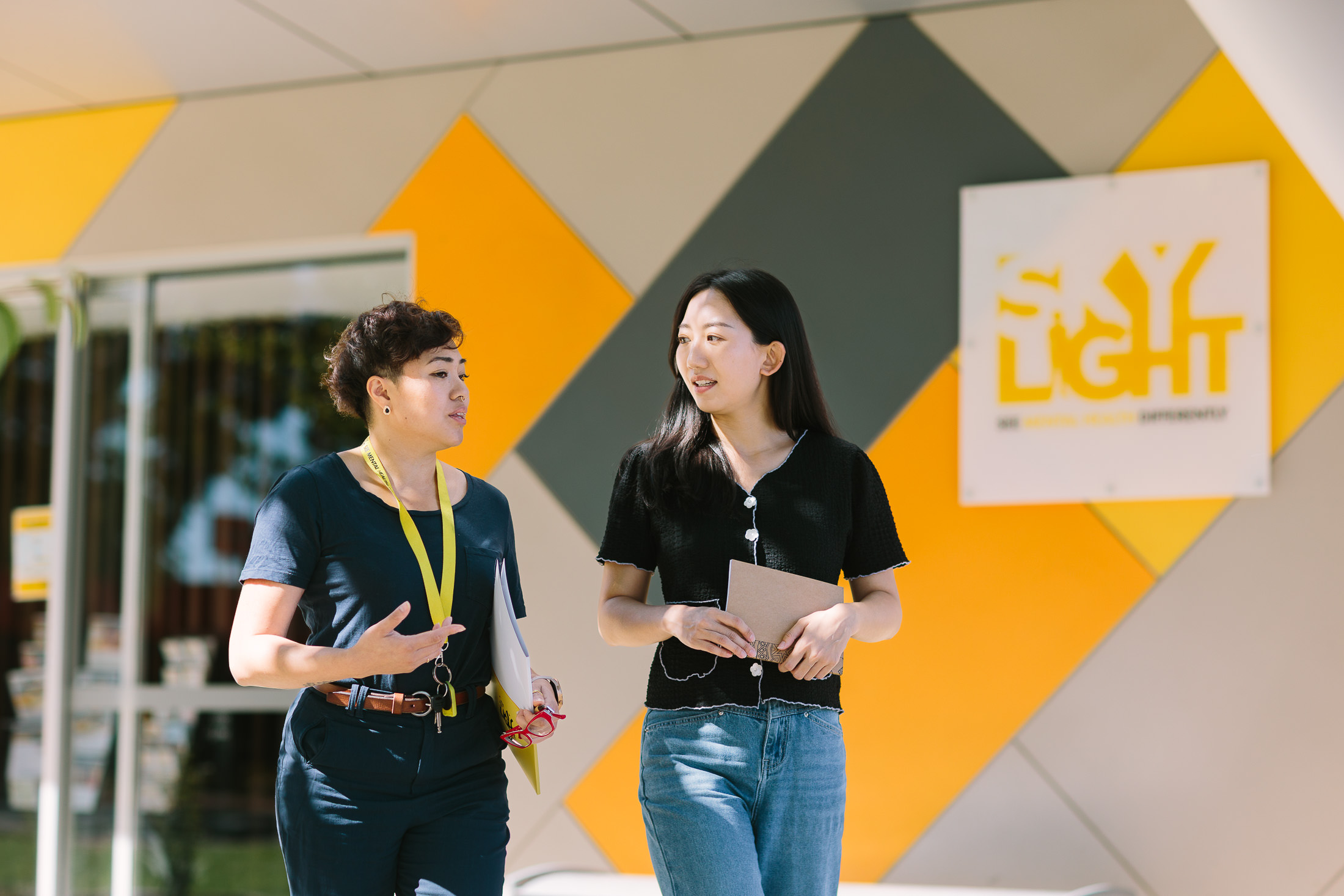
Mental health can be a sensitive topic, and Dave was the perfect person to make everyone comfortable and really tell our story through images.

The usual questions
Carefully. Before the shoot we’ll work through who’s comfortable being photographed and who isn’t, how your organisation captures consent, and what the images will be used for. On the day I’ll work to your consent register, and I’ll check in if anything feels off. During editing I’ll double-check before anything is delivered. If consent is later revoked, the image gets pulled, no questions asked.
Yes. I’ve worked with a mental health organisation across multiple shoots, and with allied health and clinical providers across South Australia. The work that’s most relevant is the kind that involves building rapport with participants or patients in advance, working at their pace, and producing imagery that reflects the actual work being done, not a generic stock-photo version of it.
It starts before the camera comes out. I take the time to talk, listen, and create a space where people feel heard and respected. With 15 years of photographing humans, including plenty who genuinely didn’t want to be photographed, I’ve learned that patience and warmth are half the job.
Yes. I’m aware of the advertising restrictions under AHPRA and I understand how the NDIS Practice Standards work around consent for marketing imagery. I won’t ask you to do anything that risks a compliance finding, and I’m happy to share files with your compliance or marketing team for review before they’re used externally.
We’ll discuss your requirements and create a shot list specific to your needs. Typically that’s a mix designed to cover all your marketing channels. Hero shots for your website. Environmental shots of your practice or service space. Real moments of care, conversation, support or treatment with participants and patients who’ve consented. Staff portraits and team shots. The details that bring across the feeling of your organisation. The little things that help people connect with your service. The library will work across your website, brochures, social, referrer marketing, recruitment campaigns and tender submissions.
Tell me what you’ve got coming up.
A few lines is plenty to start with. The organisation, what you’re working on, the timeline. I’ll come back ASAP with questions, ideas, or a quote.